How Often Should Business Locks Be Changed?
Why the answer is about events more than a calendar, and how to stay on top of it.
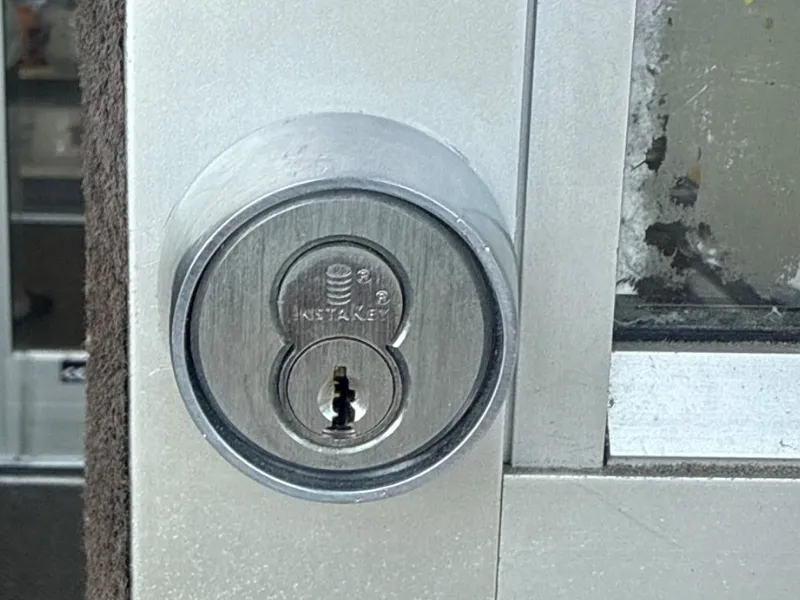
For a business, locks are less about a fixed schedule and more about events that change who should hold a key. The clearest trigger is staff turnover: any time someone with a key leaves, especially on bad terms, the affected doors should be rekeyed. A commercial rekey handles that without buying new hardware each time.
Beyond turnover, rekey or change locks after a break-in or attempted entry, after lost or unaccounted-for keys, and when you take over a new space. On a routine basis, a yearly walkthrough of exterior doors catches worn hardware before it fails, which our commercial team can fold into maintenance.
Make it manageable
If chasing keys is a constant headache, a master key system or access control changes the math. With access control, removing a former employee is a few clicks rather than a rekey, while keys still cover the rest. Worn exit hardware and closers are worth checking too, covered under commercial hardware and exit devices.
We help businesses across Raleigh and Durham stay on top of this. Contact us to set up a plan.
On most business doors that means rekeying or replacing the commercial deadbolts. With commercial smart locks, you can simply delete a former employee's code instead.
Call Us Today
Need a locksmith in Raleigh or the Triangle? We are ready to help.
Frequently Asked Questions
How often should a business change its locks?
Is rekeying enough, or do I need new locks?
How do I avoid constant rekeys?
Should exit hardware be checked too?
The Short Version
If you only take one thing from this, take this: handling a lock problem on purpose, before it becomes a crisis, is almost always cheaper and calmer than handling it in a panic at the worst possible moment. A little planning, a spare key, a rekey after a move, goes a long way.